Inside the World's Most Private Island Resorts
Beyond the overwater villa, single-key islands are rewriting the language of exclusivity.
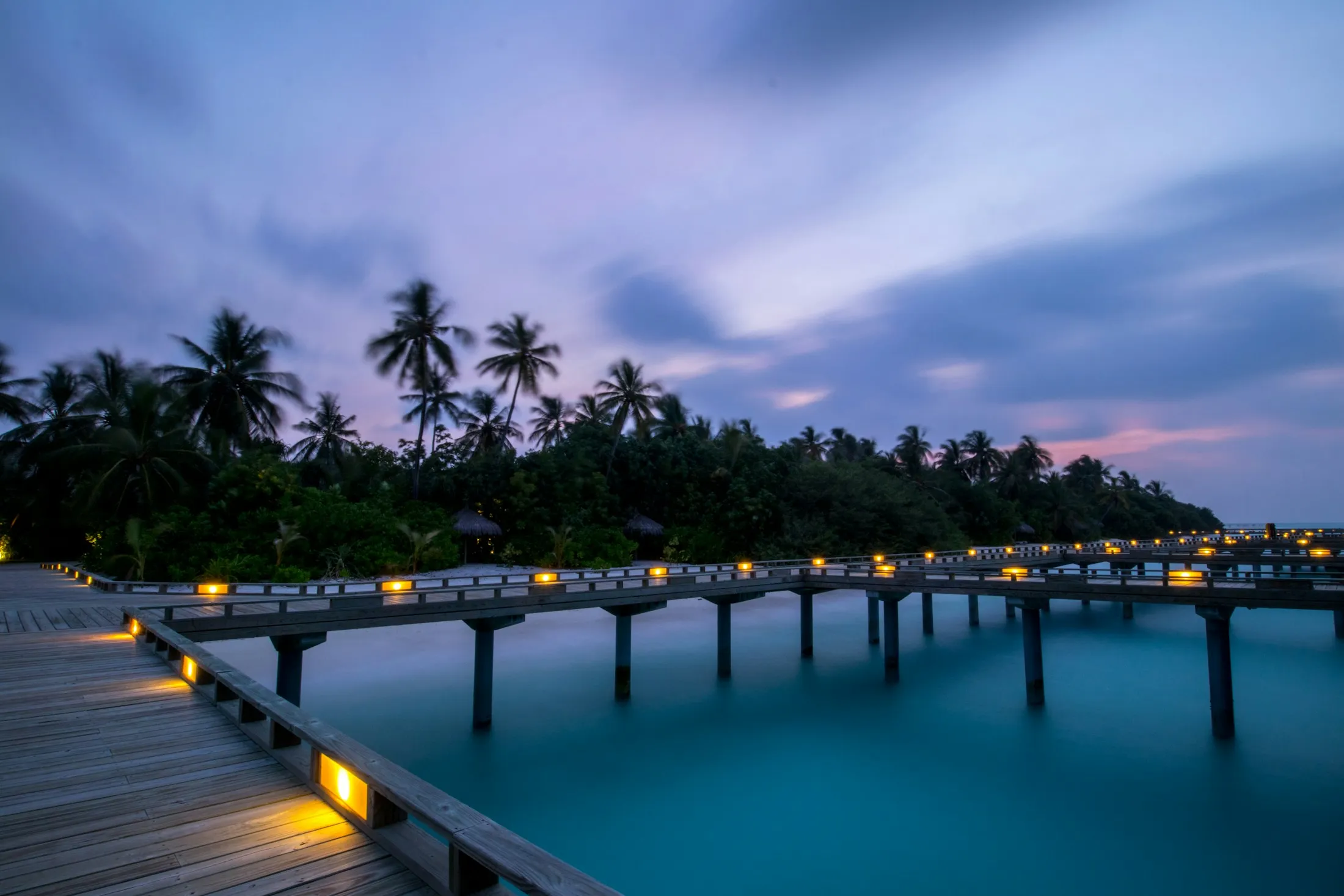
Photo: Rafael Peier on Unsplash
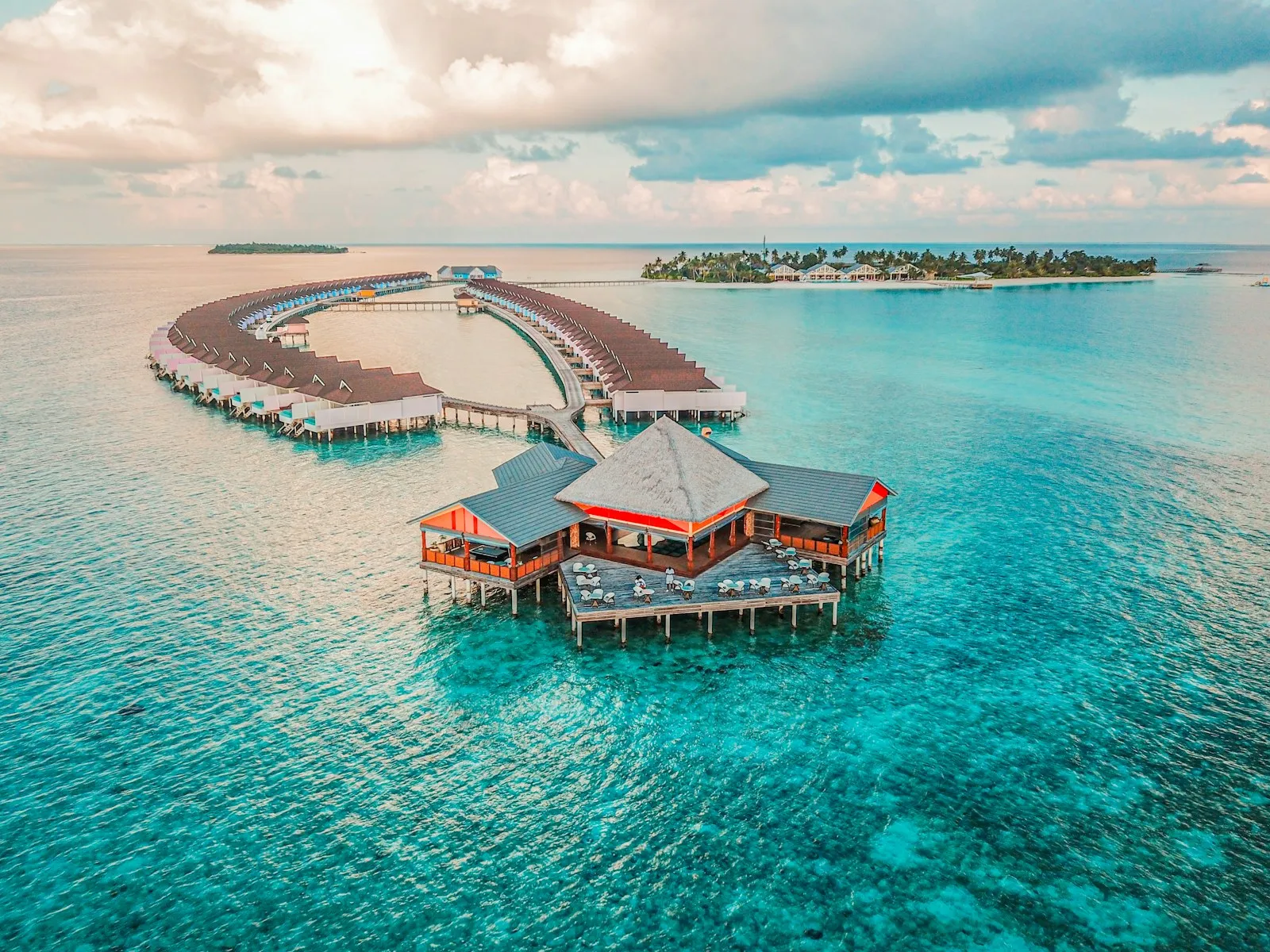
The boat leaves at seven, and by the time the mainland has dissolved behind us, the idea of a hotel begins to feel almost quaint. There are no keys here, no lobby in the conventional sense, and no procession of arrivals. There is simply the island, three kilometers of sand, a stand of palms, and a house prepared for one reservation.
The Single-Key Model
The single-key private island is not a new idea. What has changed is the seriousness with which the category is being taken. Where a private island once meant a slightly grander villa with the option to invite friends, it now means an entire staff retained for one guest party.
The best examples operate less like resorts and more like private houses with unusually deep resources. The guest count is known weeks before arrival. Menus are written around preferences rather than courses. Housekeeping learns the rhythm of the day and appears only when rooms are empty.
Service Without Spectacle
In the Maldives, the Seychelles, and the smaller Indonesian archipelagos, a handful of operators specialize in these bookings alone. The economics are exacting and the margins are less obvious than the room rates imply, but demand remains strong because the promise is simple: fewer surfaces of contact with the outside world.
The service style is deliberately quiet. There are no theatrical greetings after the first arrival, no visible rush around meals, and no repeated questions. The strongest teams behave like an excellent household staff: present enough to anticipate, discreet enough to disappear.
The New Guest Profile
The clientele has changed as well. Families book longer stays and bring tutors, trainers, and security teams. Founders arrive after liquidity events and ask for rooms that can become temporary offices. Multi-generational groups want privacy without the stiffness of a formal estate.
That range has pushed operators to build flexible islands rather than fixed hospitality sets. A yoga pavilion might become a boardroom by afternoon. A beach dinner can become a children’s film screening with an hour’s notice. Luxury is measured less by visible abundance and more by how little friction the guest encounters.
Design That Disappears
What is striking on arrival is how quiet the design has become. The oversized infinity pools and lacquered finishes of the previous decade have given way to bleached timber, lime plaster, shaded courtyards, and rooms that open carefully rather than theatrically.
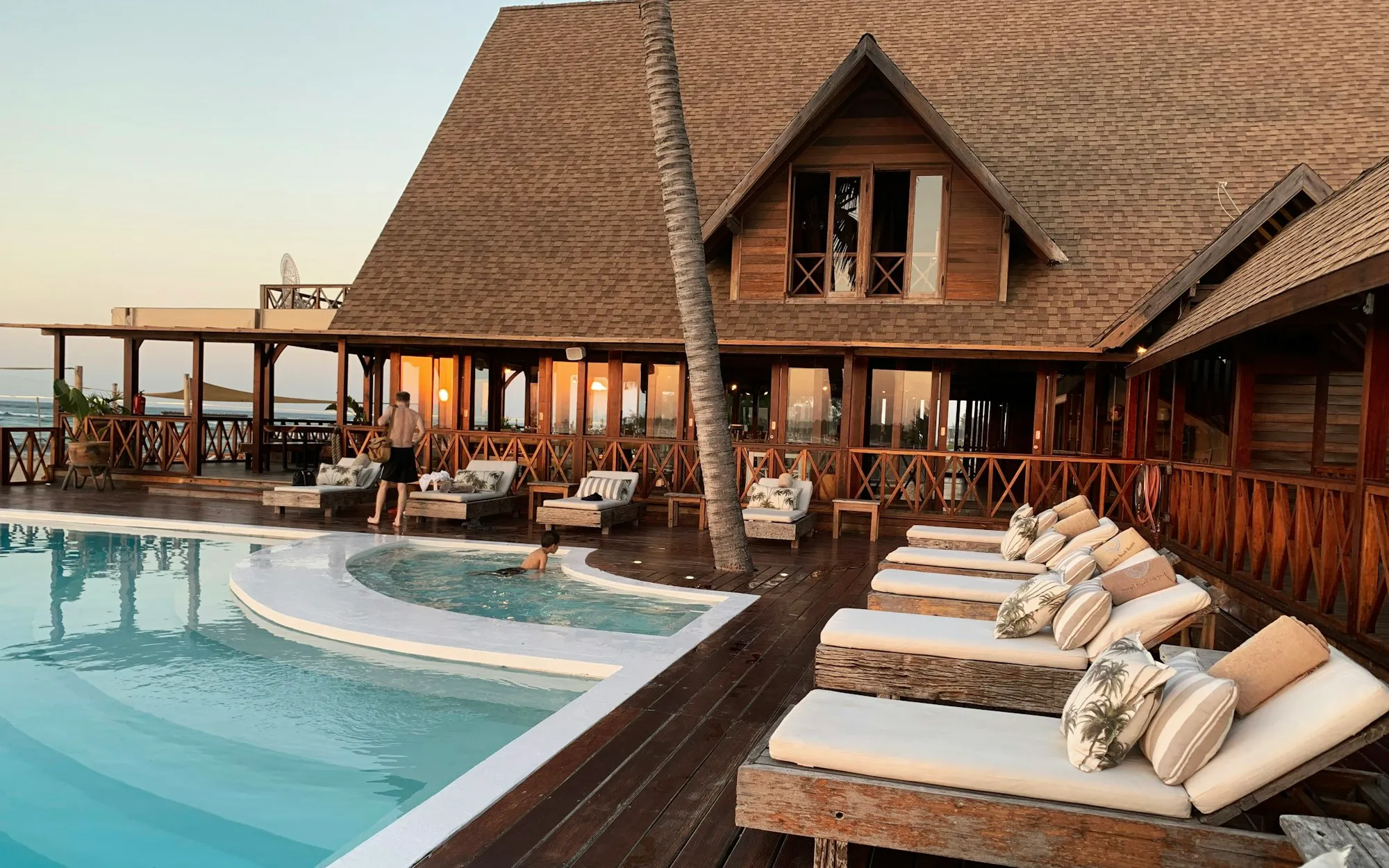
The new language is residential, tactile, and almost shy. Furniture sits lower. Lighting is warmer. Bathrooms use stone that feels honed rather than polished. The architecture frames weather and water instead of trying to compete with them.
Materials With a Long Memory
Good island design has to survive salt, sun, humidity, and luggage. The best properties now choose materials that age well rather than photograph perfectly on opening week: hardwood that silvers, brass that darkens, linens that soften, stone that gathers a little evidence of use.
This is not austerity. It is a more confident kind of expense. The money is in joinery, drainage, acoustic comfort, mattress quality, and kitchens that can serve a family for three weeks without repeating themselves.
Privacy as Infrastructure
True privacy is built long before the guest arrives. It begins with the transfer route, the staff contract, the boat schedule, the sightlines from neighboring islands, and the way supplies move without becoming visible.
On the most serious properties, the invisible systems are as considered as the villas. Service paths sit behind planting. Security is integrated into operations rather than performed at the gate. The guest never has to ask who can see them, because the answer has already been designed.
The Importance of Arrival
Arrival sets the tone. The strongest islands avoid ceremony after the first few minutes. Bags vanish, shoes come off, and the guest is led toward water, shade, and a drink that has clearly been chosen in advance.
Nothing feels accidental, but nothing feels staged either. That balance is difficult to achieve. It is the difference between privacy as a marketing word and privacy as a lived condition.
What the Price Buys
The nightly rate is only part of the story. A private island carries the cost of boats, generators, staff housing, imported produce, specialist maintenance, and standby expertise that may never be used. The buyer is paying for readiness.
That readiness is the real luxury. If weather changes, dinner moves. If a child wakes early, breakfast appears. If a guest wants to spend the day unseen, the island quietly reorganizes around that wish.
The Price of Quiet
By the second morning, the effect is total. One understands what the price is buying. It is not only the villa, the food, or the sea. It is the almost surreal condition of being, for a few days, unreachable.
There is a particular moment when even the most restless guest stops checking the phone. It tends to happen after the first swim of the day, when the staff has already reset the terrace and the only schedule left is lunch, weather, and light. That is when the island begins to feel less like a destination than a temporary form of freedom.
Gallery
From the story
Photos / 2